Service
Traditional Stone and Masonry Lime Mortar Pointing.
Sustainable solutions specifically tailored to traditional and heritage buildings.
Protecting, Maintaining and Conserving Traditional Masonry with Traditional and Sustainable Materials

Traditional buildings demand methods and materials that respect their original fabric. Using inappropriate modern intervention such as cement based mortars can trap moisture, accelerate building decay and undermine the very character that makes these structures both emotionally and financially valuable to us.
By working with compatible, breathable, and reversible techniques, we protect both the historic integrity and long term performance of the building. Lincolnshire Restoration Services provide a range of specialist services designed specifically for traditional, sustainable and heritage buildings, helping maintain structural integrity and preserving historic character.
Our Services
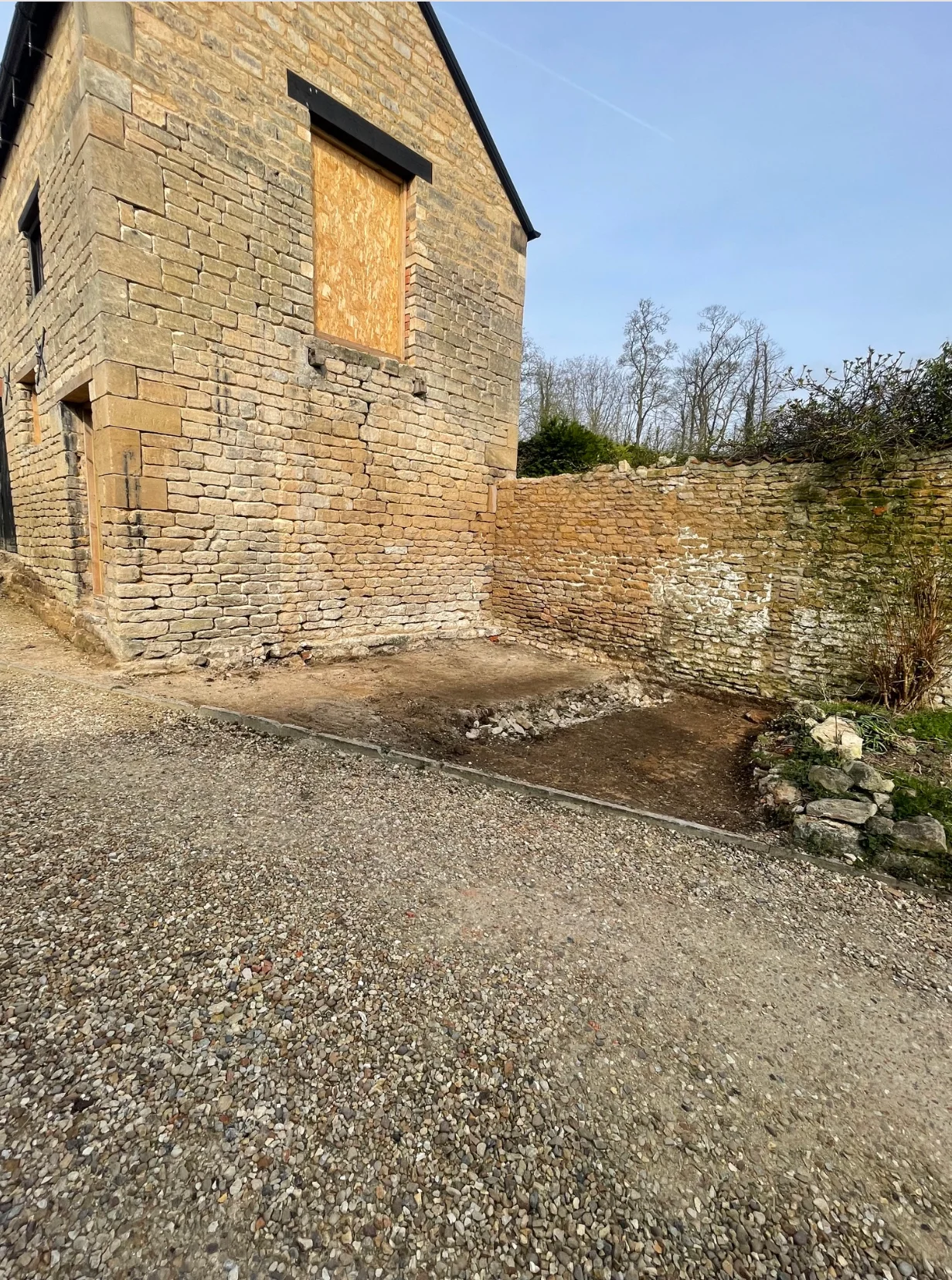
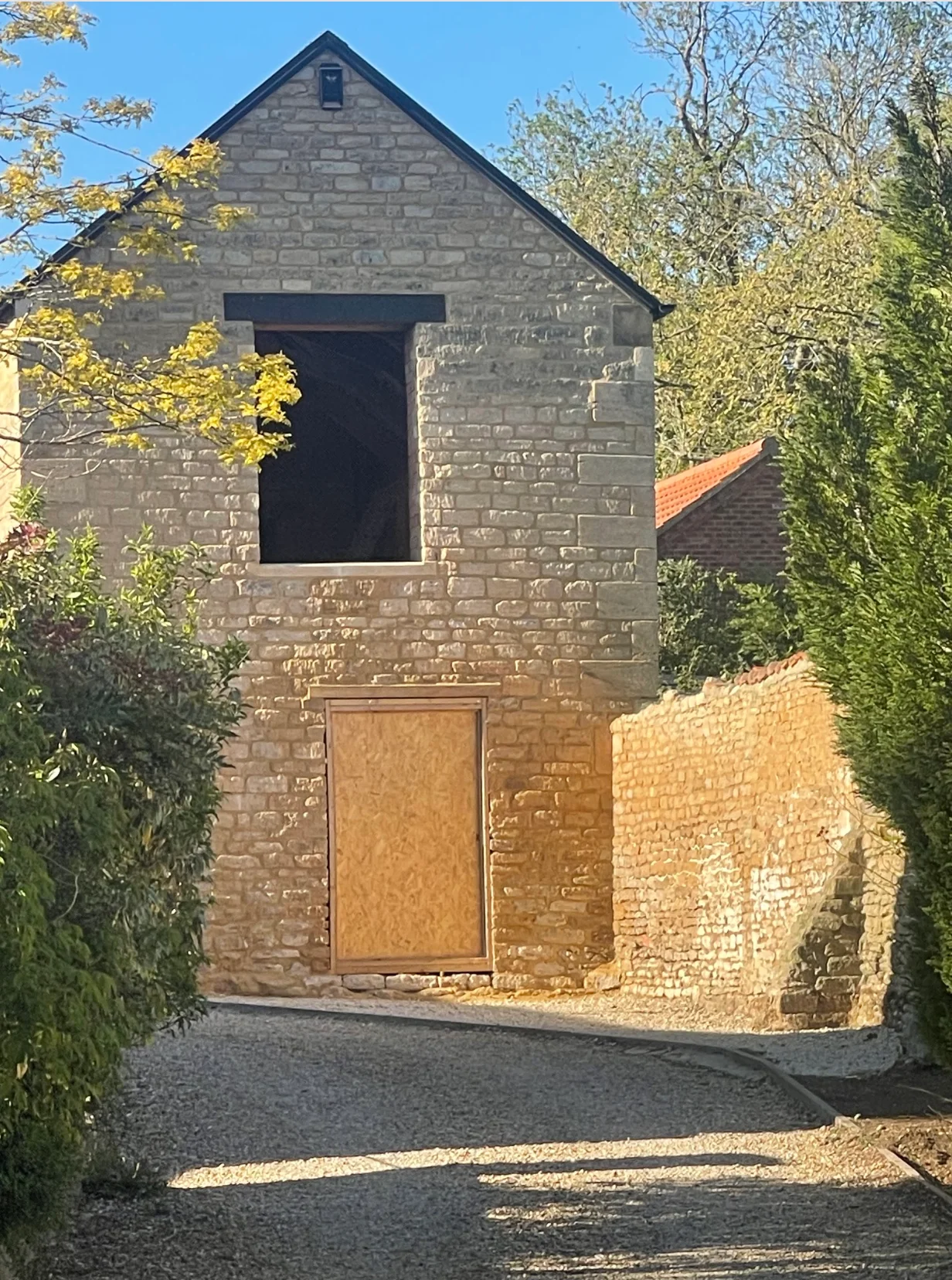
Traditional Lime Mortar Pointing.
Traditional Burnt Sand Mastic Pointing to doors and windows.
Traditional Masonry Repair and Restoration.
Our Restoration Process
A Careful, Building Led Method. Every restoration project follows a structured process to ensure the correct methods and materials are used.

Initial Review
We assess the buildings age, construction methods, and condition of existing masonry and joints to determine suitable repair and restoration interventions. In some cases this sometimes results in a small sample of mortar being taken for specialist analysis to determine the make up.

Careful Mortar Removal
Damaged or inappropriate mortar is carefully removed using controlled methods that avoid harming surrounding stone or brickwork.

Masonry Repairs and Cleaning
At this stage any masonry repair work, specialist cleaning and associated pinning and padding out of voids can be completed.

Traditional Lime Mortar Application
New lime mortar is prepared and applied using traditional techniques that match the appearance and properties of the original material.
Finishing and Curing
The newly applied mortar is carefully finished and allowed to cure correctly to ensure long term durability and compatibility with the building fabric.
Why It Matters
The benefits of using appropriate materials when repairing traditional buildings.
Preserves Buildings Breathability
Lime Mortars allow moisture to move freely through the building structure preventing trapped moisture, damp, mold growth and long term structural decay.
Supports Environmental Sustainability
Traditional materials – especially lime – have lower embodied carbon and can often be repaired rather than replaced. This aligns with sustainable conservation principle and reduces waste.
Enhances the Buildings Ability to manage Moisture Naturally
Lime based materials absorb and release moisture, helping regulate internal humidity and reducing risk of condensation. This creates a healthier natural internal environment.
Improves Long Term Performance and Durability
Compatible materials age at a similar rate as the original fabric, ensuring repairs remain stable and effective. Reducing the need for repeated interventions lowering long term maintenance costs.
Reduces the risk of Damage and Failure
Modern impermeable materials such as cement mortars and hard chemical coatings can cause cracking, spalling and salt migration. Appropriate materials work with the original building design intent reducing stress and prolonging the life of the masonry.
Maintains Historic character and authenticity
Repairing the building with traditional matching materials preserves the buildings original appearance, texture and craftmanship. This protects heritage value and ensures interventions remain visually sympathetic.
Fill out the form below to contact us.
Get Expert Advice
Before You Commit
If you own an older, heritage, or listed building and need specialist restoration or energy efficiency guidance, we are happy to advise.
Whether you are planning work now or simply want informed guidance, get in touch to discuss your property.
Request a Consultation